Get quality traffic that converts from Google and AI answers.
We find the questions your buyers search, publish pages that answer them and make sure traffic becomes revenue.
Illustration of a Claude Code session for Yolo, a fictional company. A developer asks Claude to publish the pages keygrip has ready. Claude lists seven work orders, four new pages and three updates, and on the developer's yes writes each page, pushes the commit and reports each live URL to keygrip. Asked about traffic and leads from AI search, Claude reports that AI answers now mention Yolo 14% of the time, up from 12%, that organic search brought 4,812 sessions and 61 leads, and that the analytics doesn't break out visits from AI assistants yet.
Customers
Keygrip runs AEO and SEO growth as a service
for enterprise users.
Within weeks, pages from keygrip reached #1 on Google at least once, and AI Overview impressions grew more than 4x from June to August.
Google impressions in the first two months
Share of Silna's Google impressions
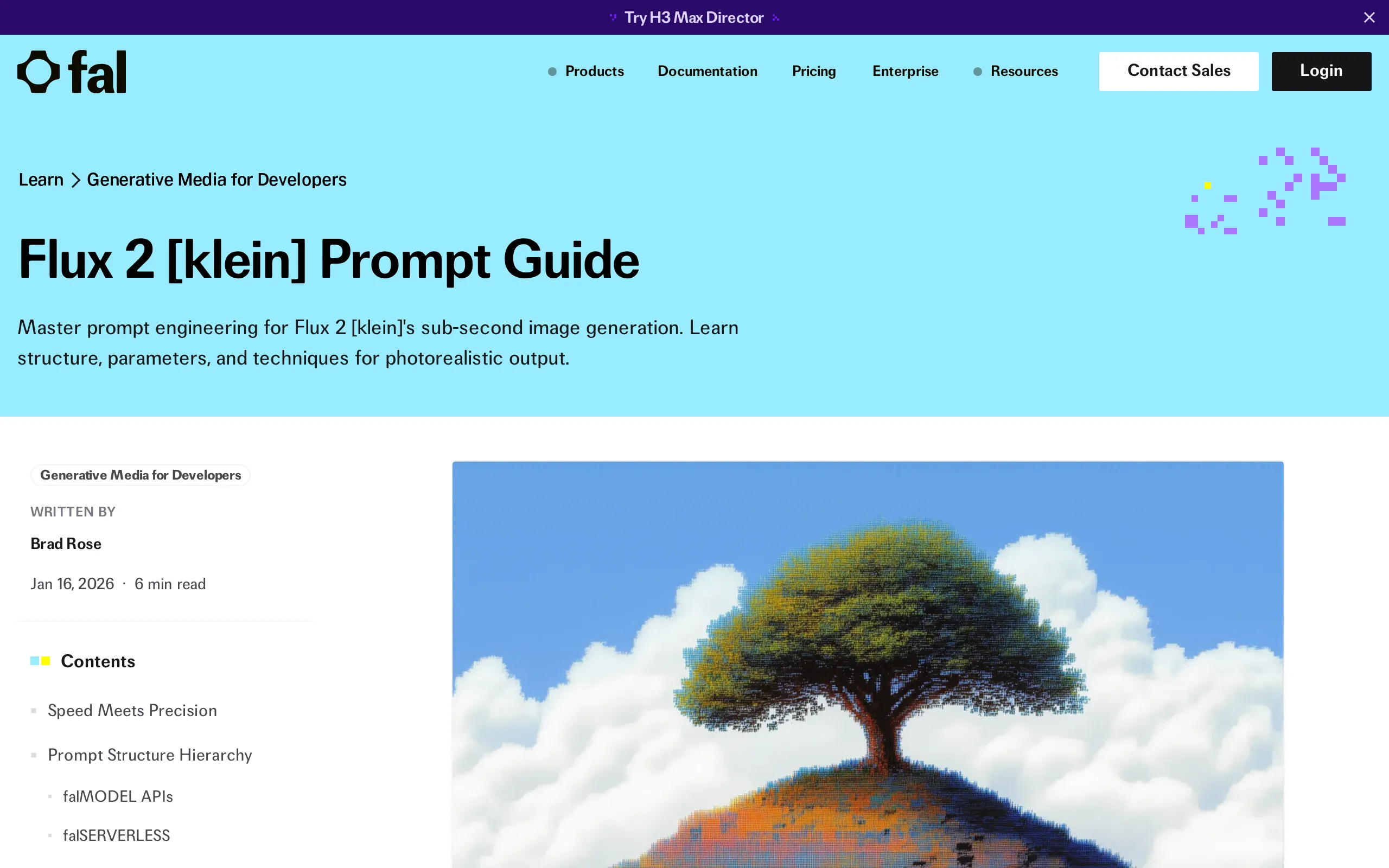
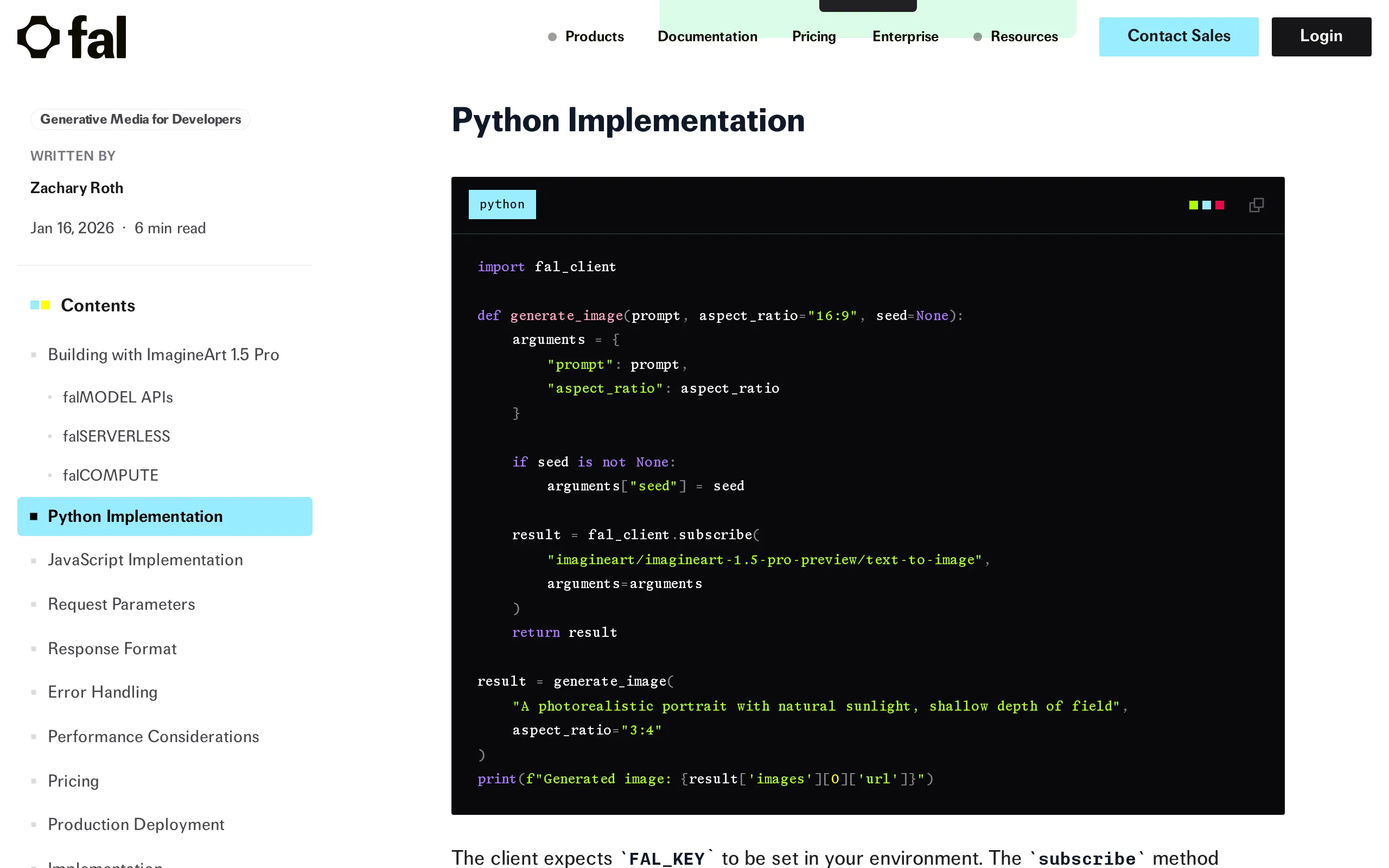
fal used keygrip to find 3,600+ keyword gaps, and our team created its State of Generative Media report.
Clicks per impression on /learn pages
Impressions on X for fal's State of Generative Media report

How it works
How a keyword entity becomes
a traffic-driving URL cluster on your site.
A keyword entity is a topic your buyers search, with every question inside it. The broad term becomes a hub page, and each question gets its own URL. We match every keyword to a live page on your site, or plan a new one.
- Step 01
We map the searches that matter to your buyers.
We group your target users' searches into a keyword map based on live search data. Each keyword gets assigned to a new or existing URL on your domain.
Example keyword map for Yolo, a fictional uptime monitoring company. The head term uptime monitoring has two primaries, best uptime monitoring tools and statuswise alternatives. The URL map assigns best uptime monitoring tools to a new page at /uptime-monitoring/best-tools, statuswise alternatives to a new page at /uptime-monitoring/statuswise-alternatives, and uptime monitoring to the existing /uptime-monitoring page to optimize.
- Step 02
We build your first pages for review.
Keygrip deploys content and design agents that pull context and styling from your site. Our editorial team approves each update before it's pushed to your website.
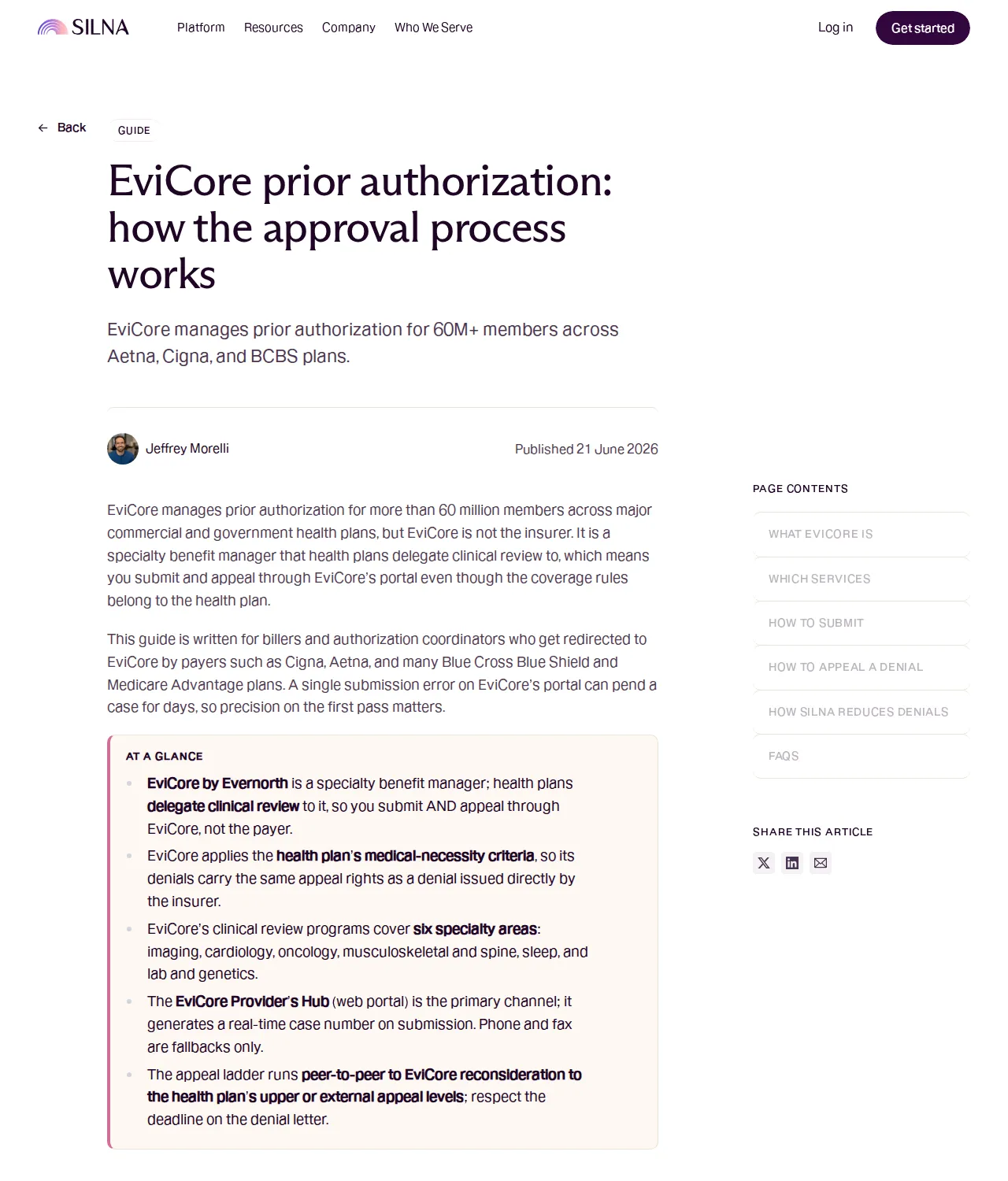
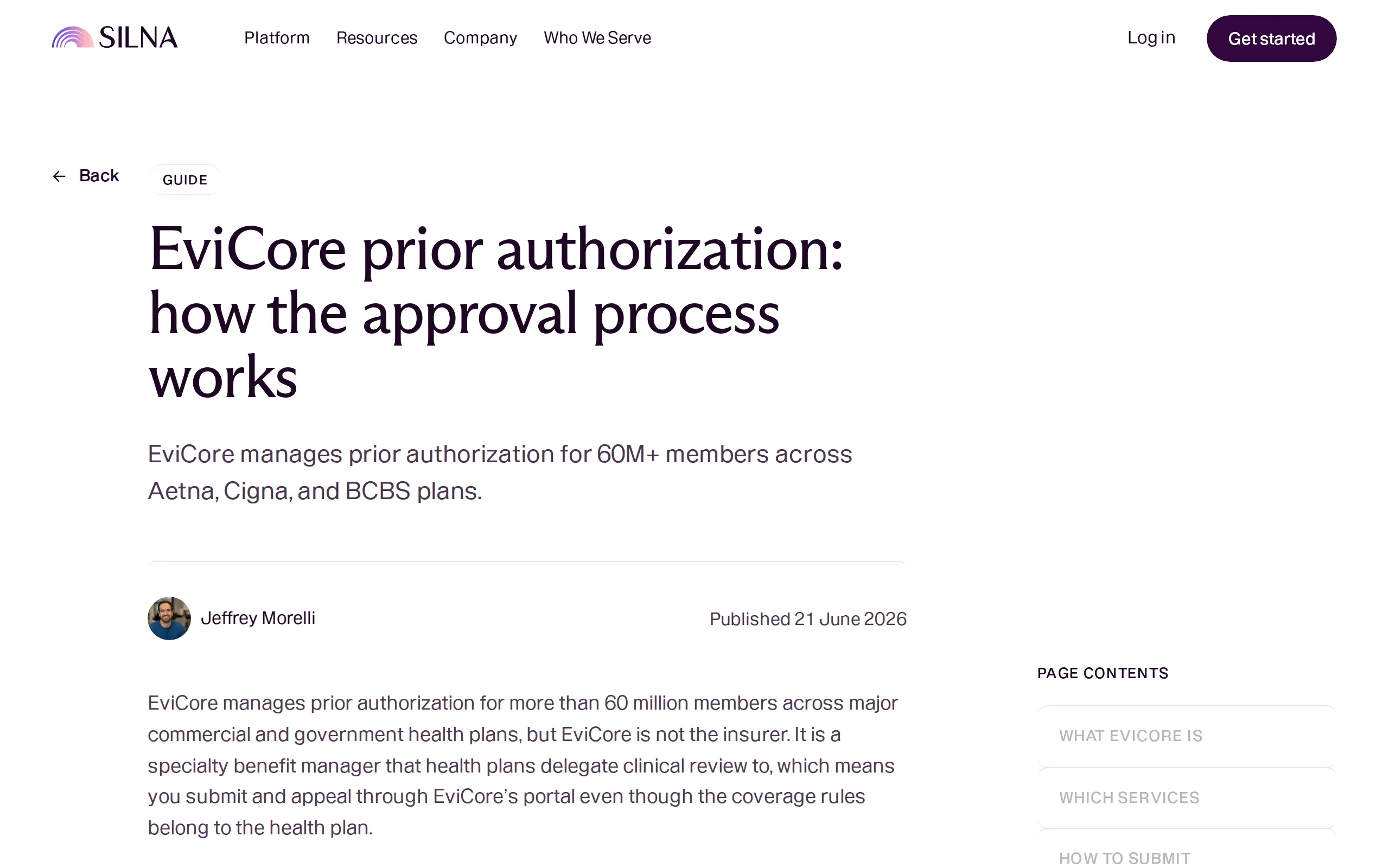
The work order for Silna Health's EviCore prior authorization page tells the developer to create a new page and lists its title, meta description, body sections and structured data. Beside it is the live page on silnahealth.com.
- Step 03
We ship updates every week.
Keygrip sends URL updates and new pages directly to your coding agent via Model Context Protocol (MCP) with complete instructions in a markdown (.md) file.
This week's example work orders for Yolo, a fictional uptime monitoring company, are four new pages, including /uptime-monitoring/best-tools with a potential of 584 monthly visits, and three updates to existing pages, including /uptime-monitoring, which gets 212 monthly visits against a potential of 616. Together the seven pages have a potential of 1,894 monthly visits. All seven change from Ready to Published.
- Step 04
We measure what changed.
Each week we track your search traffic and leads, and ask GPT, Claude, Gemini and Google AI Overviews your buyers' questions. The report shows what the new pages earned and how often AI answers mention you.
Example performance report for Yolo, a fictional uptime monitoring company, for September 2026. Keygrip pages now earn 45% of Yolo's search impressions, and the first went live in May 2026. Search impressions rose 212% from April to September, the AI visibility rate rose 2.4 points, organic sessions rose 14% and organic search leads rose 9%. A monthly chart shows the keygrip pages' share of impressions growing from none in April to 45% in September.
“We used keygrip to publish hundreds of updates and saw a significant traffic boost in weeks. Months later and the results are compounding.”
Map, draft, measure
An agentic platform that feels like a service.
- Your agent publishes each page through our MCP.
- Our agent answers your questions about search and AI visibility.
- A keygrip editor reviews every URL.
- A growth performance report is delivered every week.
Keygrip research
AI answers rarely mention the brands that rank in Google's top five.
We studied 50 brands that rank in Google's top five for their keywords. Most AI answers did not mention them. LLMs link directly to a brand's own site in less than 1% of their answers.
 Measuring brand visibility across AI answer engines9.4%The frequency of a brand being mentioned in all 3 answers from GPT, Claude and Gemini.Across 5,891 questions
FAQ
What users ask before they start.
What is answer engine optimization (AEO)?
Answer engine optimization (AEO) is the work of getting your brand mentioned and cited in AI-generated answers from tools like ChatGPT, Claude, Gemini and Google AI Overviews. It builds on SEO, because AI answers draw on pages that answer a buyer's question clearly and back the answer with evidence.
What is the difference between AEO and SEO, and do we need both?
SEO earns a ranking and a click in Google's results. AEO earns a mention or a citation inside an AI answer, which often comes with no click. You need both. In our study of 50 brands that already rank in Google's top five, GPT, Claude and Gemini mentioned them in only 17.4% of responses.
How do we get our brand mentioned by ChatGPT, Claude and Gemini?
Publish a page for each specific question your buyers ask, and make your brand the clear answer to it. In our research, the keyword in the question explained 32.5% of the difference in whether a brand was mentioned, and the choice of AI model explained 0.1%. Keygrip maps those questions and writes the pages that answer them.
How do keygrip's pages get published on our site?
Your coding agent publishes them. Keygrip sends new pages and updates to Claude Code, Cursor, Codex or any MCP client as markdown work orders that hold the page body, metadata, structured data and publishing steps. The agent publishes each page and reports its live URL to keygrip, which starts tracking it. Your developers can publish from the same work order.
Will AI-written content hurt our Google rankings?
AI-written content does not hurt rankings when it is accurate and useful. Google judges content by its quality and penalizes pages that are mass-produced without adding value. Keygrip researches each page on the web, uses only statistics it can quote verbatim from a source, and our editorial team approves every update before it reaches your site.
Which AI answers does keygrip measure?
Keygrip measures GPT, Claude, Gemini and Google AI Overviews. We ask them the questions your buyers ask, keyword by keyword, and report how often they mention your brand and link to your site, next to your search traffic and leads from Search Console and Google Analytics.
How long does it take to see results?
All 18 of Silna Health's keygrip pages were earning Google impressions by mid-August 2026, weeks after they went live in June and July. Within a month of launch, those pages drove 49% of Silna's search impressions, up from 21% in July. How fast your pages earn impressions depends on your site and your keywords.
How much does keygrip cost?
Keygrip charges per URL. Each new URL costs $200 on Growth, $175 on Scale and $150 on Enterprise, and each optimized URL costs $150, $125 or $100 for ongoing care of that page. We price a first draft of your keyword map into a proposal before you sign, and reporting is included.
What do you need from us to get started?
We need read-only access to Google Search Console and Google Analytics, a list of your main competitors, your case studies and product details, and your sitemap. We turn that into your keyword map, then build your first page in your site's own design for you to review.
How is keygrip different from an AI visibility tool or an SEO agency?
An AI visibility tool reports where AI answers leave your brand out. Keygrip also writes the pages that answer those questions, delivers them to your coding agent every week and measures whether AI answers start mentioning you. An agency does research and drafting by hand. Keygrip's agents run them, and our editorial team approves every page.